

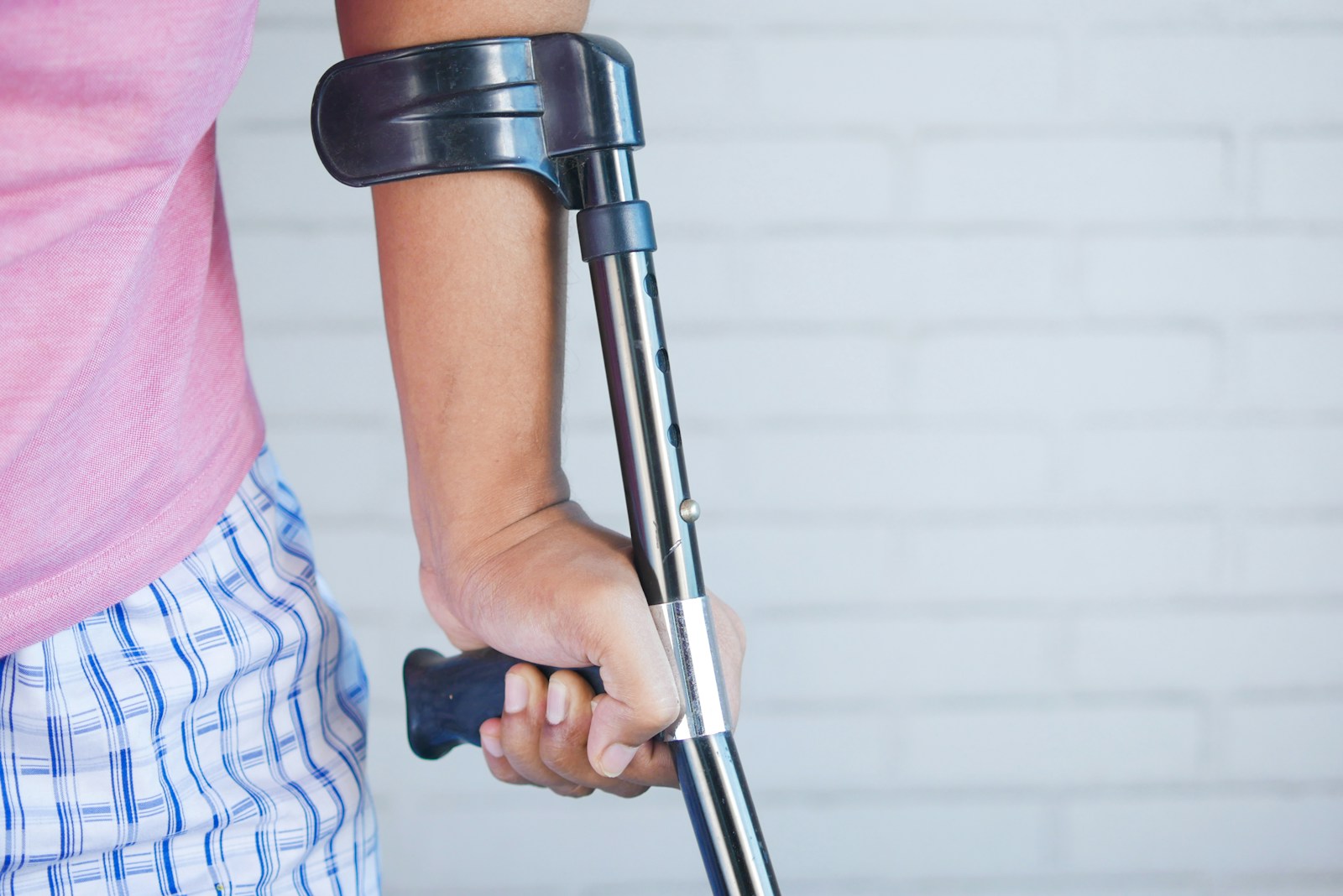
A gift for a child with a broken arm should match what they can actually use right now. Ask them, or an adult who knows them, then give that thing. Skip toys they said need two hands, and skip any claim that a present will change how their arm feels.
The old title framed these as uplifting gifts, and the copy listed learning toys plus claims about pain and how a child might feel. You are not choosing a treatment. You are choosing something they asked for and can handle with a cast on.
Some guides on this site include retailer links that may earn a commission. See ouraffiliate disclosure. These are ideas to help you choose, not claims that we tested particular products or checked current prices or stock.
Ask what they can use with a cast
| Situation | A better direction | What to watch |
|---|---|---|
| They named something they can use with a cast | That item, bought with time to exchange it | A two-handed toy you prefer can sit unused until the cast is off |
| You do not know what they can handle | Ask them, or an adult who knows them, before you buy | Guessing from age alone often misses |
| They asked for a book or a one-handed activity they already like | That, not a title chosen to teach something | A new hobby you invented for the cast can miss what they enjoy |
| They would rather have company than an object | A dated visit or plan an adult in the house agrees to | An open-ended “we should hang out” is easy to drop |
| Someone asked for a specific aid their clinician named | Only that exact item, confirmed with the adult who asked | A gadget sold as helpful is extra unless they named it |
Examples you can actually look for
Start with the types below — they come from the table on this page — and look up a current example from a seller you trust. Check the seller's details, returns and delivery estimate on the day you buy. Prices and stock change, so confirm them the same day you purchase.
- The one-handed game, kit or book they pointed out.
- A shop card for a place they already use, plus a note.
- A replacement of something they already like that is easier to handle right now.
- A dated visit they want, agreed with an adult in the house.
- A handwritten note if they said they did not want an object.
If you want a named pick, open the seller's page the same day, confirm the item matches what they will actually use, and keep the receipt. A simpler homemade or no-purchase option from the sections above is still a complete gift.
How to choose what they can actually use
Ask the child, or an adult who knows them, what they can use with a cast. Then give that, rather than an object sold as if it were part of their care.
- Ask the child, or an adult who knows them, what they can use with a cast.
- Give that thing, or a shop card for a place they already use.
- Skip a toy that needs two hands if they said that is a problem, and skip anything chosen as a medical aid unless they named it.
- Write a short note; do not claim a gift will change how their arm feels.
Start with what they can use
That is not a cast, and it is not clearly a child. Do not buy mobility gear from a picture. If the child asked for a book they already like,gifts for child readersstarts with what they already read.
If you are shopping after a procedure instead, seegifts for a child after surgery. The questions overlap — ask what they can use — but the details are not the same.
Company can be the whole gift
If they want someone to come over, agree a time with an adult in the house and write it down. That is a complete present. An object they did not ask for is extra to manage while one arm is out of action.
For someone who has to stay in bed,gifts for someone who is bedriddenis the closer starting point. More guides sit undergift ideas.
What to skip
- A toy they said they cannot handle with a cast on.
- An object sold as a medical aid that nobody asked for.
- A learning toy chosen to teach something they did not mention.
- Any claim that a present will change how their arm feels.
- Mobility gear copied from a photo of a crutch.
Give yourself enough time
Ask what they can use as soon as you know you will give something, so you have time to change course. A store pickup can wait until the week you see them. If a particular item has to ship, order it with enough time to exchange it if it needs two hands after all. A note, or a dated visit, can be arranged for the day you go over.
Common questions
- What should I get a child with a broken arm?
- Whatever they said they can use with a cast: that item, a shop card, or a visit they want. Skip toys they said they cannot handle.
- Do I have to give a toy they can use with one hand?
- No. If they asked for something else, or for company, give that.
- What if I do not know what they can use?
- Ask them, or an adult who knows them, before you buy. Guessing without asking, or from age alone, often misses.
- Can I give something meant to help their arm?
- Only if an adult who cares for them asked for that exact item. Do not invent an aid from a product page.
More gift ideas
If you are shopping after a procedure, seegifts for a child after surgery. If they asked for a book they already like, trygifts for child readers. More guides sit undergift ideas.